


Poem: The man who wouldn’t be sold!


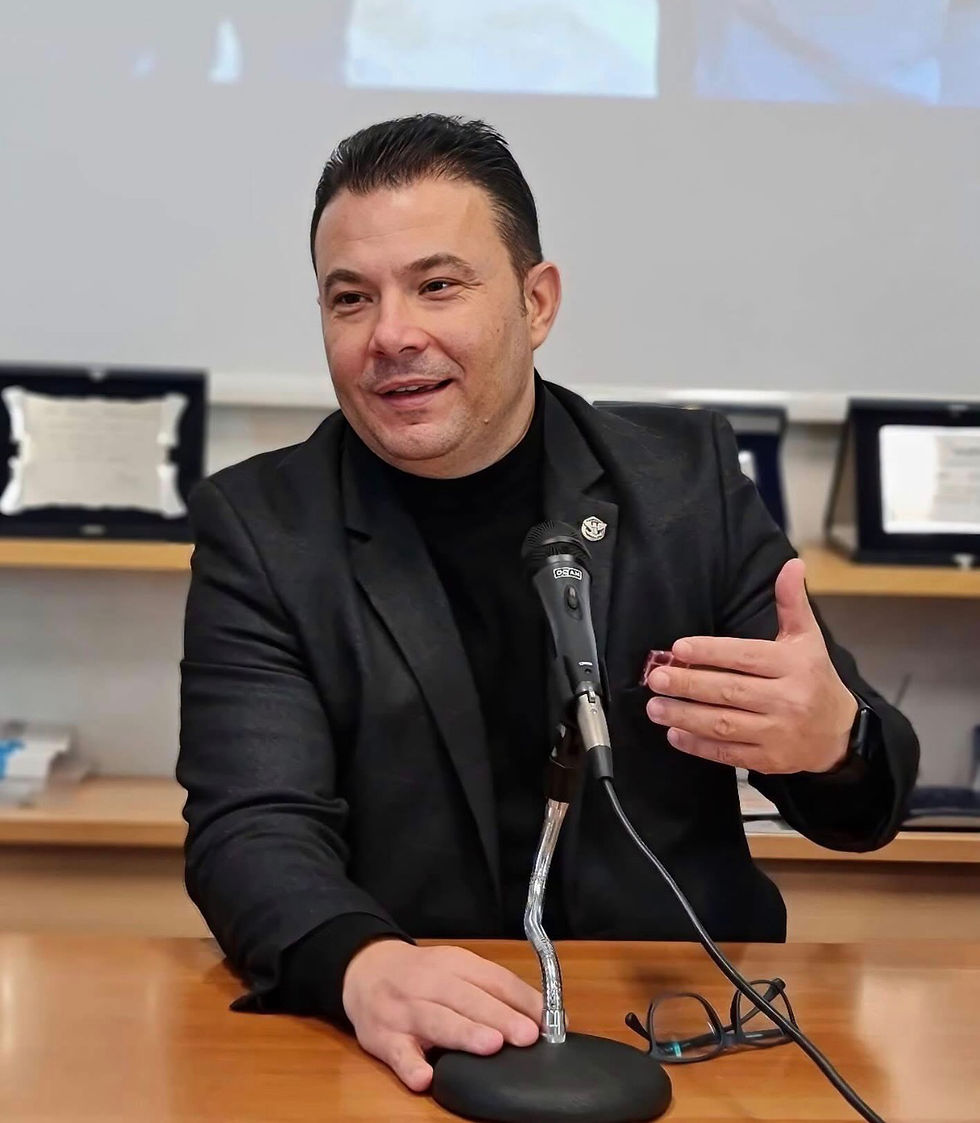
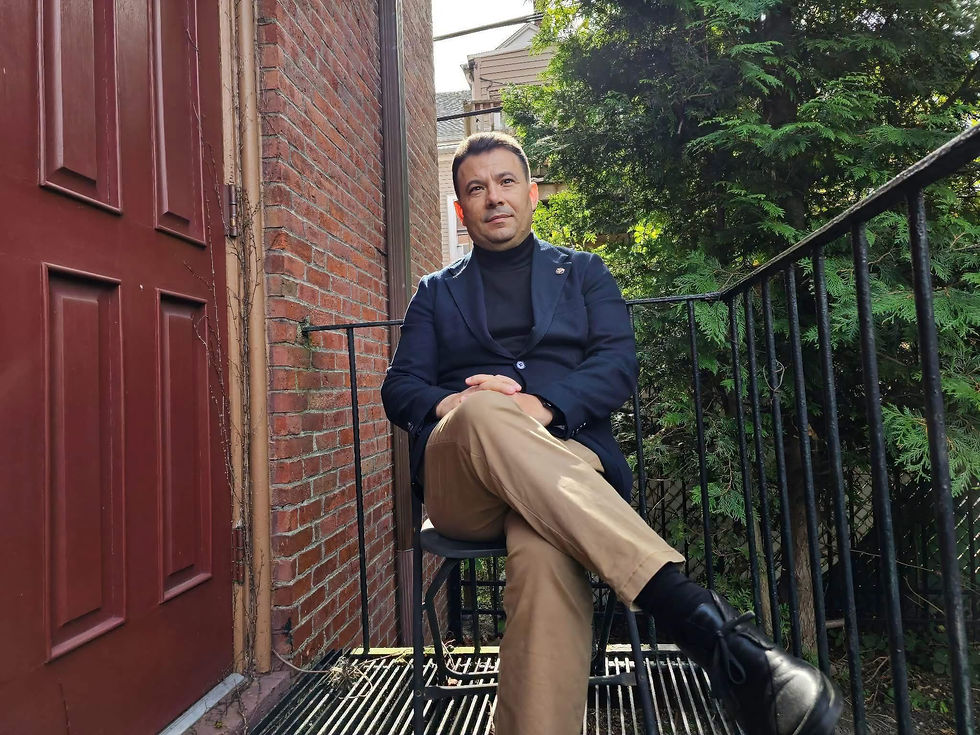
By Arian Galdini
In an age that paints its wounds with borrowed light,
where a voice goes cheaper than bread,
and silence is kept like a rare thing
on tables that have never known hunger,
there still walks a man
no one turns to watch,
because he owns no platform,
stands under no bright lamps,
has no chorus at his back,
yet in his chest he carries
a piece of sky, folded with care,
like an old letter from home.
He comes back late,
his hands worn down,
his back full of the day,
with dust and iron settled in his face,
and still he sits beside his child
as beside a small altar
where the future draws its breath in silence.
There, quietly, his stature begins.
Not on a stage,
not in the clamor of victories,
but in the way
he will not let his heart
be priced for the market.
He has seen the cities
built on the nights of the just
until they ceased to astonish him.
Faces smiling with the teeth of fear,
men who know how to serve the hour,
who measure a man
by what he owns,
not by what he has saved from himself,
have passed before him
like shop windows in a market
where everything has a price,
except that other man,
the one who loses without kneeling,
who breaks without being bought,
who keeps his name
like a low-burning lamp
that does not decorate the night,
but defeats it.
His only shield
is that untouchable part
that never enters the auction.
He does not bow
to evil well dressed.
He does not call light
what merely shines.
He does not lay his hand
on what would make him richer
by making him less a man.
And when time drives its claws deeper,
when loss reaches the marrow,
when the world whispers
that it is too late
for what cannot be bought,
for what must not be let go,
for what stands upright even alone,
then, precisely then,
he enters his highest trial,
like Christ
at the center of pain,
bearing in silence
what must not be let go.
For a man is measured
not by how often he passed through untouched,
but by how often he rose
without handing over to the dark
his name,
his child,
what he believed,
until his face
had nowhere left
to return.
Arian Galdini

Comments