


The screen’s bolt and the daily prayer!

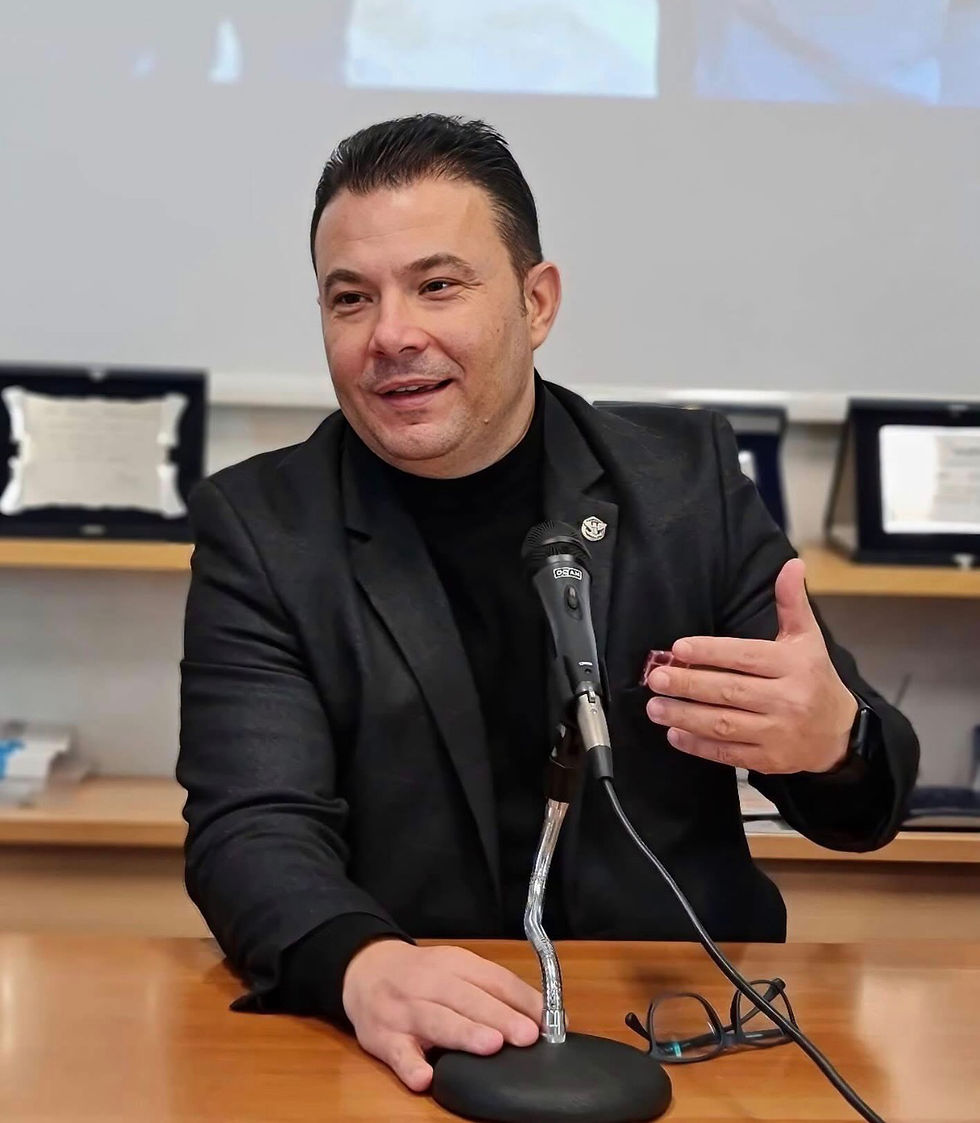
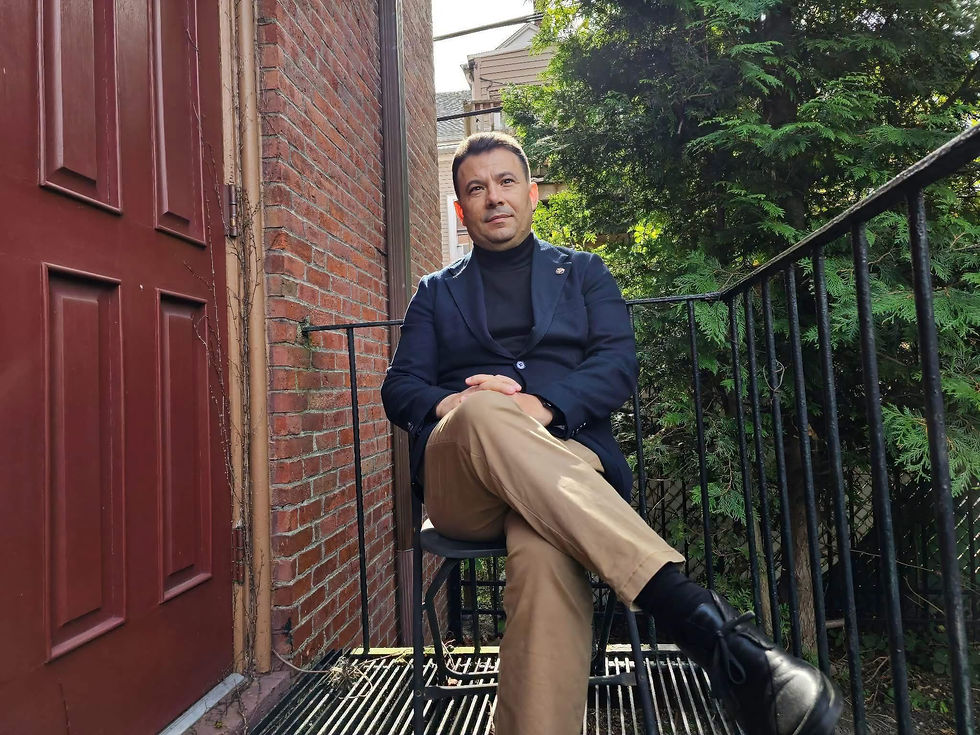
By Arian Galdini
The bolt clicks under the nail, quiet beneath the news, and marks the edge.
The same hand that holds the key can keep the world outside, so it won’t rush into the house like floodwater.
When the bolt is left open, the day slips through the rooms and changes the air in the house, steam stops rising, the clock ticks on alone, until you no longer know where you are inside yourself.
In fragments from 1884 - 1885, Nietzsche noted it with cold precision: “eine Zeitung (an Stelle der täglichen Gebete)”- a newspaper in place of the daily prayer.
Prayer closes; news runs on without a lid. From that moment, the moment itself sits down at the table like an uninvited guest, it nudges the glass a little, the eyes go straight to the headline.
The eternal slips under the book’s cover, dust becomes a clock on the cover.
In older mornings, the printed sheet lay on the table like a cold plate over sliced bread.
Ink blackened the fingertips, a fine stain, a seal.
Bread is silent, the headline speaks, over bread.
Then came the ending, the page closed, the paper folded shut, and the fold did its quiet work.
The room returned to the wall clock, to the small cup where steam rose and drifted away, unasked, to the face that looked at you without a headline.
Breath settled there.
Today the bolt has changed form and become a screen, smooth, light, ready for the thumb.
One swipe, and a crowd enters without a gate, and the body knows it at once, the pulse climbs one notch, the shoulders drop, the finger finds it without thinking.
That’s the price of light, you pay it with your eyes, until sight becomes a hand, hand without a palm, taking before it asks.
Evening turns it all into proof.
A book lies open, a sentence starts to rise on breath rather than noise, then a notification lands, a dry click in your ear.
The eye goes there ahead of the mind.
The sentence snaps.
On the tongue, a metallic taste remains, the voice was cut off at the root.
Here the inner bolt shows itself.
It has one body and two faces, a bolt outside, a bar within.
Left open by a millimeter, it lets in damp, and the wood remembers.
The hand takes the phone and sets it face-down on the table.
The wood steals warmth from the hand and gives the mind its edge back.
Then the fingers search the grain, as if looking for the old swipe, and there, in that searching, the moment is found.
The daily prayer arrives, not as an idea, but as an act.
God, slide the bar shut.
Lift my hand when it reaches for the screen.
Return my word to breath.
Let me see the human face without a headline.
After this, the breath slows.
The snapped sentence is tied again, the way a key finds the teeth of a lock and turns without shouting.
The phone stays put, the hand decides.
Refreshing the screen is salt, a pinch, and the tongue wants another.
Salt makes you hungry.
The clock on the wall moves on even when you don’t watch it.
A child calls twice and keeps the third in.
And yet the same window can carry light. Once, an urgent call pulled a human being out of danger, because a hand opened the bolt at the right moment.
The future is coming with a more frightening bolt, because it will live where closing happens with sight.
Imagine a pair of glasses that pins a headline to the face you love, the sentence arrives before the smile does.
You take off the glasses for a second, caught, guilty, and you see the face without a headline, in that second, the world falls away from letters and returns to a human being.
At the end, the flame sways and throws a thin shadow across the cover.
The phone, face-down, trembles lightly with another notification falling into silence, you don’t touch it.
The hand ties the snapped sentence again, while the wall clock delivers a clear, simple beat.
Then the bolt slides home, and breath stays in.
Arian Galdini

Comments