


Poem: To my two sons!


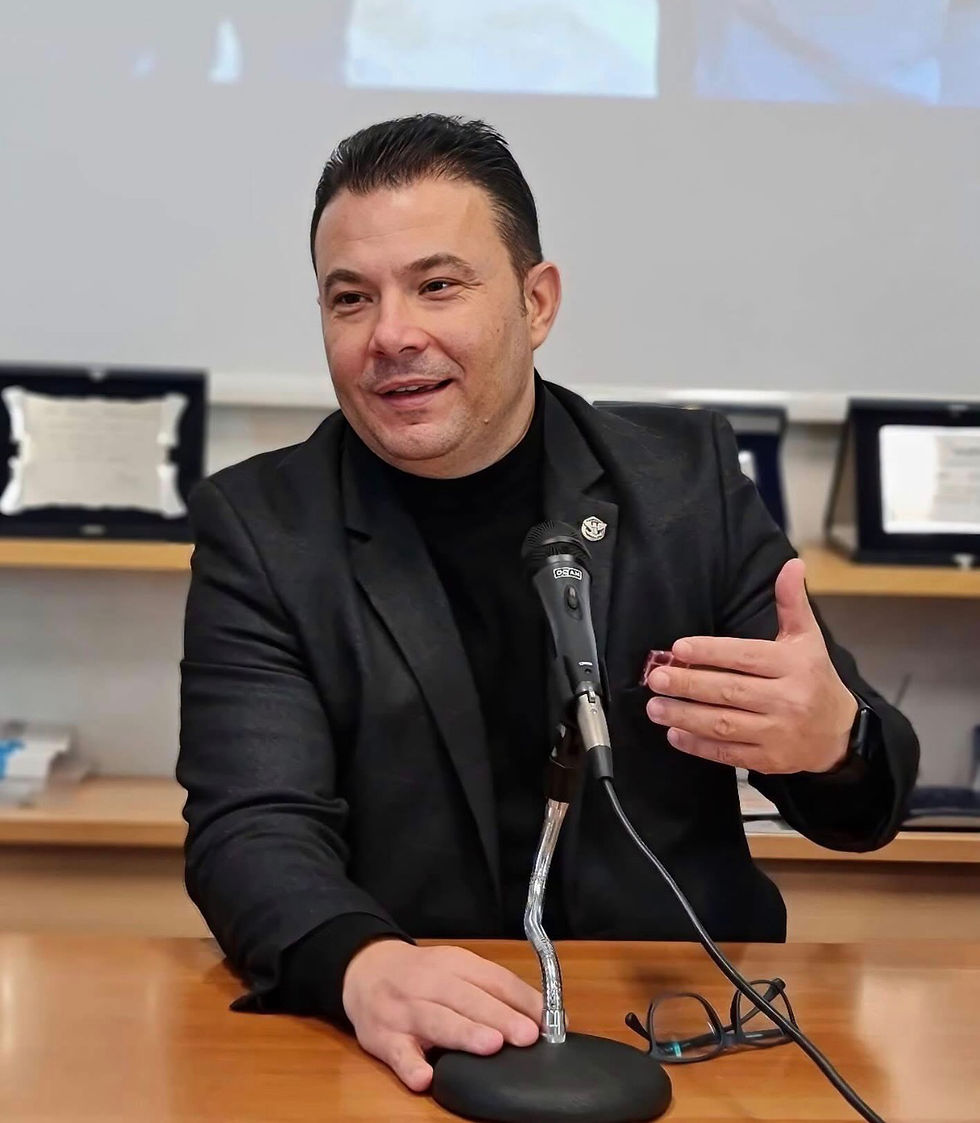
By Arian Galdini
This world
first notices
those who pass lightly before the eye,
not those
who leave the earth heavier.
Not as two boys
to be kept too long from the day’s dust,
from false light,
from that ease
that lets a man be seen
before he has become himself.
I see you as two names
on whom time,
without sound, without sign, without ceremony,
has begun to rest its hand.
David.
Martin.
Two names the day calls lightly,
but time knows their weight,
like bells kept under the ground
until their voice
gathers weight.
Now you come lightly into the house
with childhood still loose in your step,
but one day
you will go out before the world
not as small sounds
the wind can carry off,
but as something meant to bear,
to hold,
not to give way,
not to break,
not to do harm.
From the door.
From the glass.
From the spoon.
From the shoes
that keep, in silence, the shape of yesterday’s step.
From the lace
that must not trail at the threshold.
And from the ball on the floor,
which stops being only a ball
and becomes the world
held in the hand.
With stone.
With bread divided in poverty.
With roofs held up not only by beams
but by hands that would not let them fall.
With the mountain
that carries dawn on its back
without asking light its name.
With the river
that moves all day
and still keeps
the face of the sky.
With bread
that, even when there is little of it,
keeps the law of sharing.
With the threshold,
where a man steps out of what comes easy in him
and enters
what has weight.
Before the yard
draws its first breath,
before the window
catches light on the glass,
before the spoon finds the cup
and the day begins
to call itself day,
morning enters the house.
It comes over the bread left from supper,
over the cup of water,
over the pane still pale with dawn,
over the shoes
that keep, in silence,
the shape of yesterday’s step,
over the ball at the threshold,
as over a small thing
that does not yet know
its own name.
Martin comes first.
In him movement rises like breath,
like something that cannot stay long
inside itself.
His foot gives the ball
that small push
that sends the world
out of stillness
before it makes a sound.
The ball moves one step.
David says nothing.
His foot comes down over it
before the whole world
can reach the cup.
The water shivers,
but does not spill.
The cup lifts a little from the edge,
then settles back.
The boundary has moved.
Then the ball comes back.
His foot holds it a moment.
Then the wall takes it.
Later the bread falls.
Not with tragedy.
Not with noise.
But the way things fall
that carry life,
when the hand is still learning
its own weight.
The bread is lifted.
Set back in place.
Then the crumbs are gathered in the palm,
carried to the window,
opened for the birds.
Someone bends.
A little farther off,
a shoelace lies untied at the threshold.
Two fingers take it up.
Eyelet by eyelet,
the knot finds its form.
No eye leans in.
No voice is raised.
Nothing is written down for this.
Then comes what has no face.
It comes like light without warmth.
Like a voice trying to come
between you and yourselves.
Like sight broken too soon
to know how to see.
A voice comes from the other room,
quick,
sharp,
like something trying to enter between you
unasked.
Martin picks up the ball
with both hands.
For a moment
his whole body leans forward.
At his temple
a thin vein lifts.
David stays still.
One hand rises a little.
Then falls.
He only watches.
The ball falls again to the floor.
The cup remains.
The water remains.
The threshold remains.
The house knows:
not everything that did not break
came through untouched.
Neither of them speaks.
This water
that trembled
and did not spill.
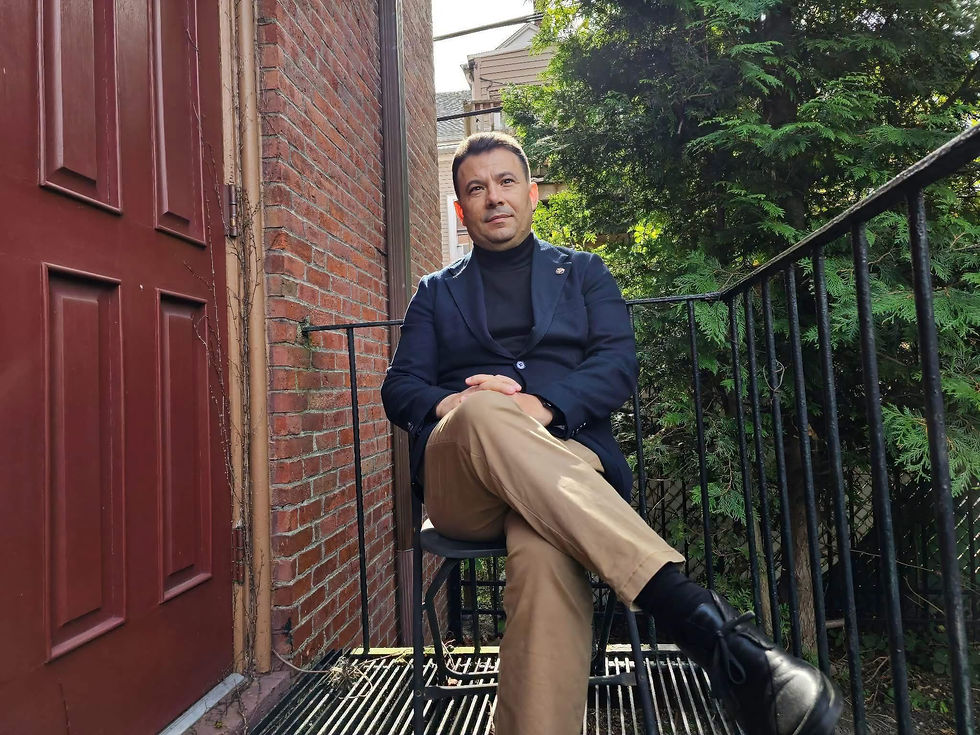
Arian Galdini

Comments